Hygienx-Hygienic Weighing Solutions
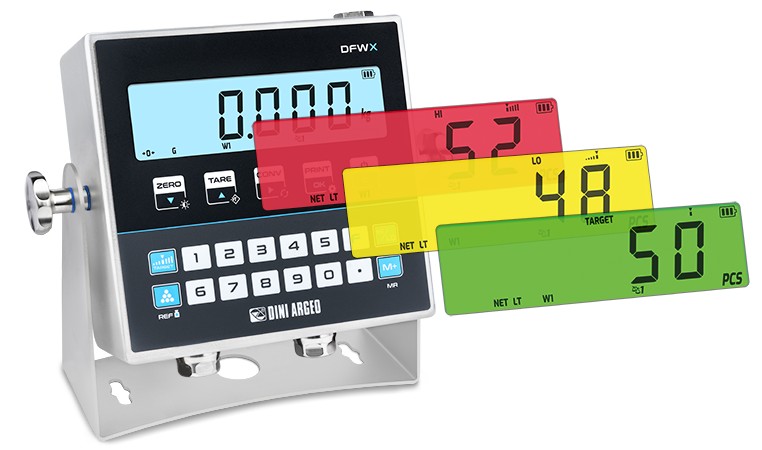
Discover the latest Hygienic Weighing Solutions from the Dini Argeo Hygienx range or products designed to support contamination free production processes and meet the strictest hygienic standards. Suitable for Food Production, Pharmaceutical, Cosmetics, Chemicals and much more.
 Contact Phoenix
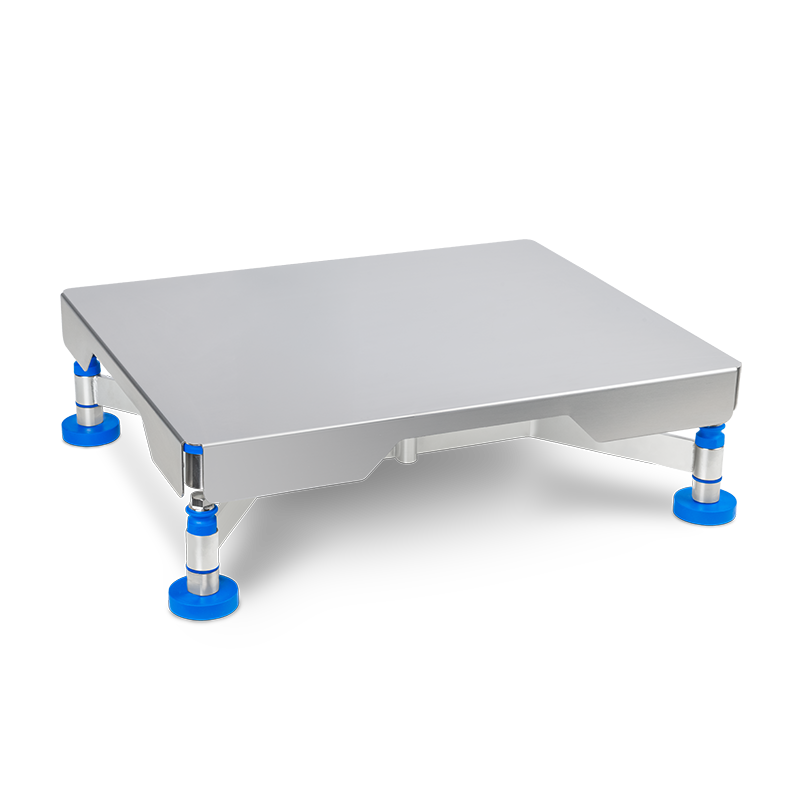
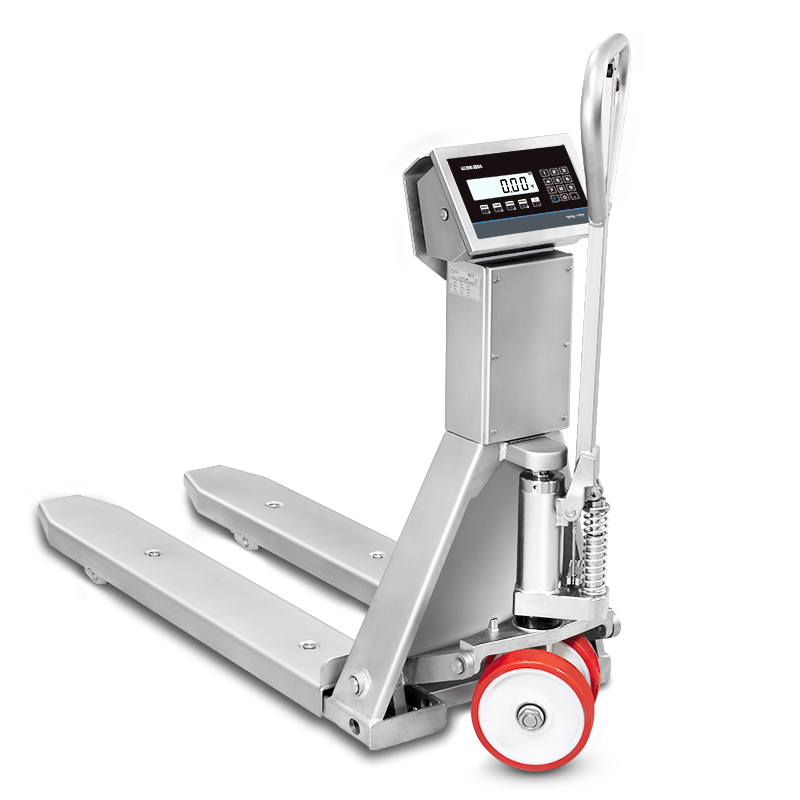
Buying Guide: Choosing the Right Hygienic Weighing Solution
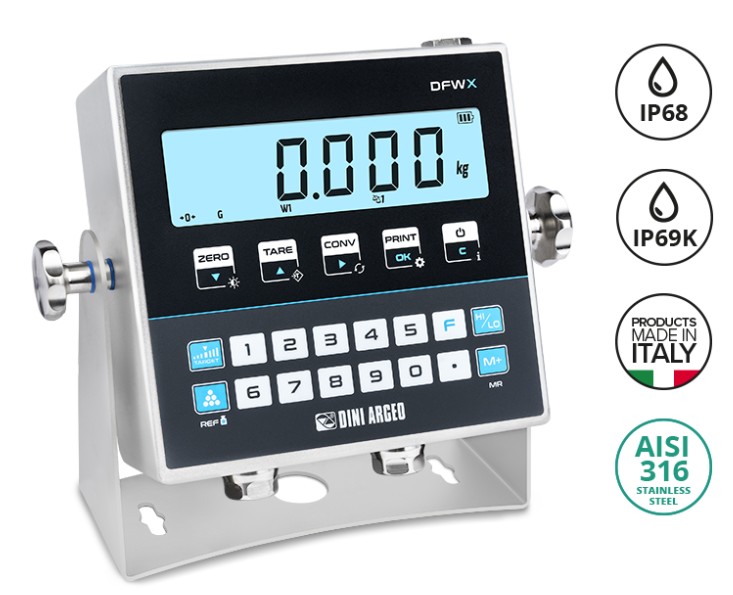
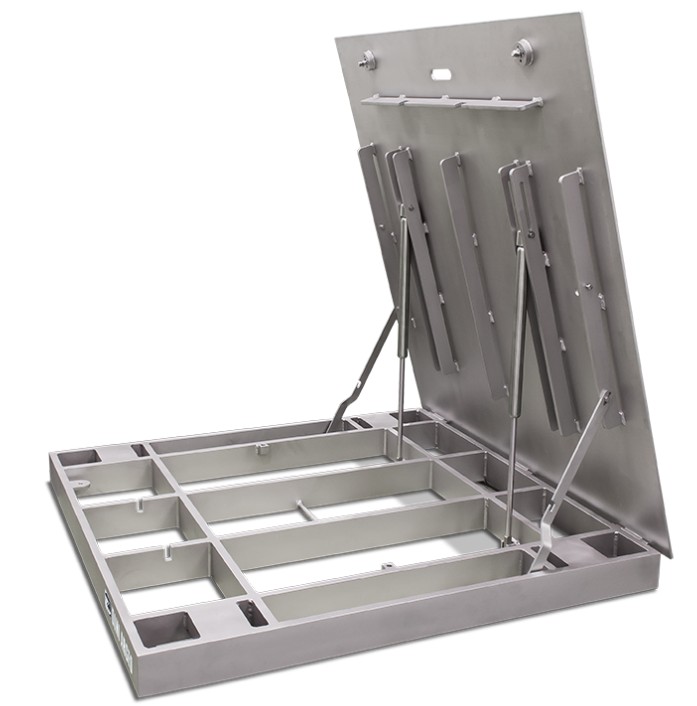
Hygienic weighing equipment is chosen primarily on the basis of cleaning regime and environment. If your site uses high-pressure washdown or aggressive cleaning chemicals, look for equipment rated to at least IP68 or IP69K, with smooth, crevice-free stainless steel housings that will not trap product residue or bacteria. Consider whether you need a pallet truck scale, bench platform, floor platform or indicator, as the Hygienx range covers each of these formats. For food and pharmaceutical production, check that the equipment meets relevant hygiene design standards and can be easily incorporated into your cleaning validation procedures. If your process involves multiple wash-down cycles per day, ask about the sealing and connector protection used, since these are often the first points of failure in less robust hygienic equipment.
Frequently Asked Questions
What does IP68 or IP69K rating mean?
These ratings indicate a high level of protection against dust and water, including resistance to high-pressure, high-temperature washdown, which is essential for hygienic production environments.
Which industries use Hygienx weighing equipment?
Hygienx products are widely used in food production, pharmaceuticals, cosmetics and chemical manufacturing, wherever contamination-free weighing is required.
Can Hygienx equipment withstand daily washdown?
Yes, the range is specifically designed for environments with frequent washdown and strict hygiene standards, using sealed, crevice-free construction.
Is calibration available for hygienic weighing equipment?
Yes, Phoenix Scales provides UKAS calibration services for Hygienx and other hygienic weighing equipment to maintain accuracy and compliance.
Is Hygienx equipment more expensive than standard scales?
Hygienic equipment typically costs more than standard scales because of the specialist stainless steel construction and sealing involved, but this is usually offset by reduced cleaning downtime, lower contamination risk and a longer working life in demanding food and pharmaceutical environments.